Spring 2026 PEAK Experiences Awardees for Undergrad Research
Several COE, Bouvé, COS, DMSB, and Khoury students mentored by COE faculty are recipients of the Spring 2026 PEAK Experiences Awards from Northeastern’s Office of Undergraduate Research and Fellowships. This group of students from across the university will explore a wide variety of topics and questions from developing brain-computer interfaces, to analyzing air quiality data to inform future legislation, Socioeconomic Factors impact on twin infants, and more.
| Base Camp Fellows |
|---|
 Applying NLP Techniques to High Frequency Multivariate Time Series Data in Manufacturing Machinery Applying NLP Techniques to High Frequency Multivariate Time Series Data in Manufacturing MachineryAwardee: Gordon Bie, DMSB’27 Mentor: Xiaoning Jin, COE, Mechanical & Industrial Engineering I aim to work with my research faculty to apply machine learning traditionally used to process natural language to monitor sensors in autonomous manufacturing machines. Reducing manufacturing defects and maitenance costs and significantly improving overall manufacturing efficiency and product quality. |
 Polymer Synthesis for Antimicrobial Applications Polymer Synthesis for Antimicrobial ApplicationsAwardee: Nitya Eswaran, COE’28 Mentor: Abraham Joy, COE, Bioengineering I intend to explore how polyesters and polyurethanes can deliver antibiotics to treat infections and how these polymers can directly kill bacteria, addressing significant medical challenges such as antibiotic resistance. |
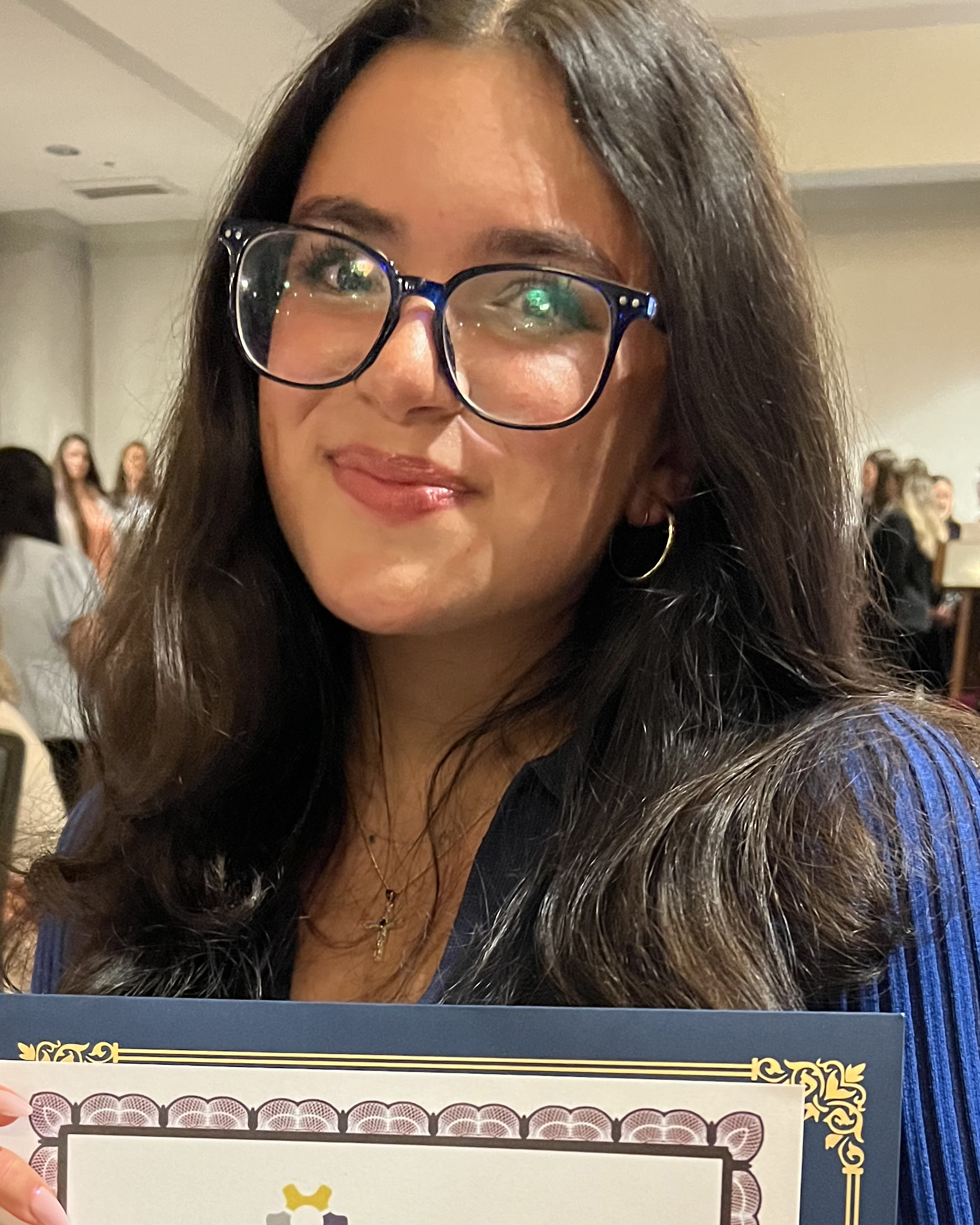 An Introduction to Drug Discovery Through Hands-On Laboratory Training An Introduction to Drug Discovery Through Hands-On Laboratory TrainingAwardee: Gianna Greco, COE’29 Mentor: Jie Shen, Bouvé, Pharmaceutical Science This project focuses on gaining hands-on training in a drug discovery laboratory by assisting with ongoing research and learning how potential therapies are identified, tested, and evaluated. The experience will provide a foundational understanding of how laboratory science contributes to drug development. |
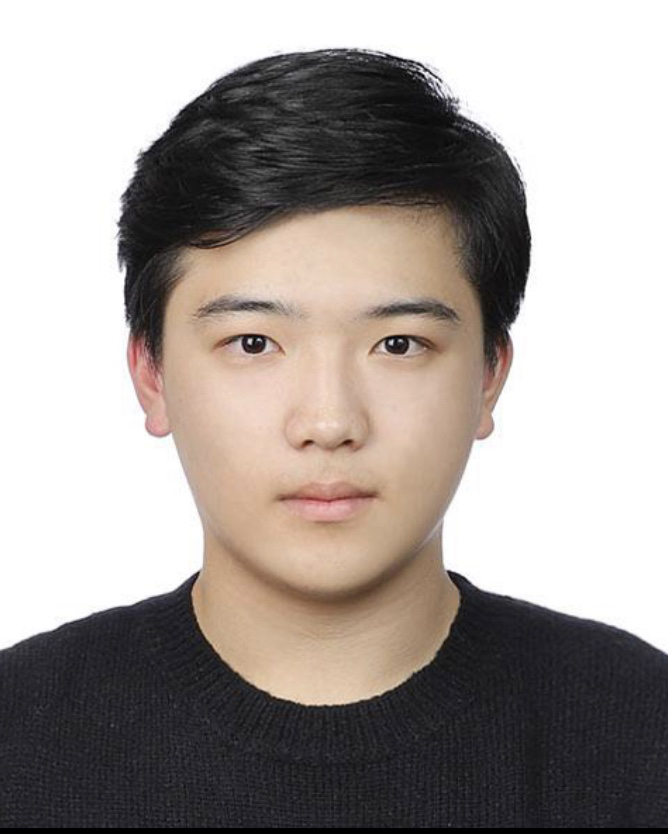 Circuit Tiles: Modular STEM Learning Tiles Circuit Tiles: Modular STEM Learning TilesAwardee: Mason Kim, COE’28 Mentor: Aleks Gollu, DMSB, Entrepreneurship & Innovation “Circuit Tiles” is a modular magnetic toy that helps 4th-8th graders explore real circuits and STEM concepts through simple activities. With my mentor, I will refine the 2nd-gen prototype, run small pilots in local makerspaces, and learn to collect feedback to improve both the tiles and the education curriculum. |
 EEG-Based Intent Recognition for Low-Cost VR Interaction EEG-Based Intent Recognition for Low-Cost VR InteractionAwardee: Nicholas Kozhemiakin, COE’29 Mentor: Deniz Erdogmus, COE, Electrical and Computer Engineering This project aims to advance early-stage brain-computer interfaces by developing an integrated system that translates electrical signals from the scalp into simple actions in virtual reality. The work involves designing a non-invasive EEG device that attaches directly to a VR headset, collecting signal data, and training a machine-learning model to distinguish between a small set of user intentions. The project will deliver a hands-free VR interaction demonstration, highlighting the potential for practical, reliable intent-based control using non-invasive neural signals. |
 Computational Analysis of Lipid Bilayer Mixtures for Drug Delivery Applications Computational Analysis of Lipid Bilayer Mixtures for Drug Delivery ApplicationsAwardee: Ryana Riaz, COE’28 Mentor: Francisco Hung, COE, Chemical Engineering Using molecular dynamics simulations, this project studies how different combinations of lipids affect the mechanical properties of liposomes—small spherical drug carriers. This computational research aims to identify which lipid formulations are best suited for delivering various therapies, including treatments for cancer and other diseases. |
 Husky V3 Soft-Shoe Attachment for Improved Traction Husky V3 Soft-Shoe Attachment for Improved TractionAwardee: Sonia Robinson, COE’29 Mentor: Alireza Ramezani, COE, Electrical and Computer Engineering I hope to create a type of soft shoe for a walking robot called Husky Beta(Version 3) to improve the grip it has when walking by exploring traction designs and materials. This will help keep the robot’s feet from slipping when walking on different surfaces. |
 Deconstructable Steel-Concrete Shear Connection for Sustainable Composite Floor Systems Deconstructable Steel-Concrete Shear Connection for Sustainable Composite Floor SystemsAwardee: Kieran Schwartz, COE’28 Mentor: Jerome Hajjar, COE, Civil & Environmental Engineering I hope to help develop a reusable composite floor system that makes construction faster, more flexible, and less wasteful of materials and energy. This project aims to prove that friction-based connections can create strong, resilient floor assemblies while being easily taken apart and reused in future structures, reducing environmental impact. |
 Transcranial Magnetic Stimulation Pulse Width Modulation for Cell Type Specific Stimulation Transcranial Magnetic Stimulation Pulse Width Modulation for Cell Type Specific StimulationAwardee: Isabella Zakrzewski, Khoury’29 Mentor: Mathew Yarossi, Bouvé, Physical Therapy, Movement, Rehabilitation Science This project investigates how pulse width variations in transcranial magnetic stimulation (TMS) affect brain circuits that regulate neural activity, particularly short intracortical inhibition, aiming to inform the development of more targeted neuromodulatory treatments for neuromotor rehabilitation. |
| Summit Fellows |
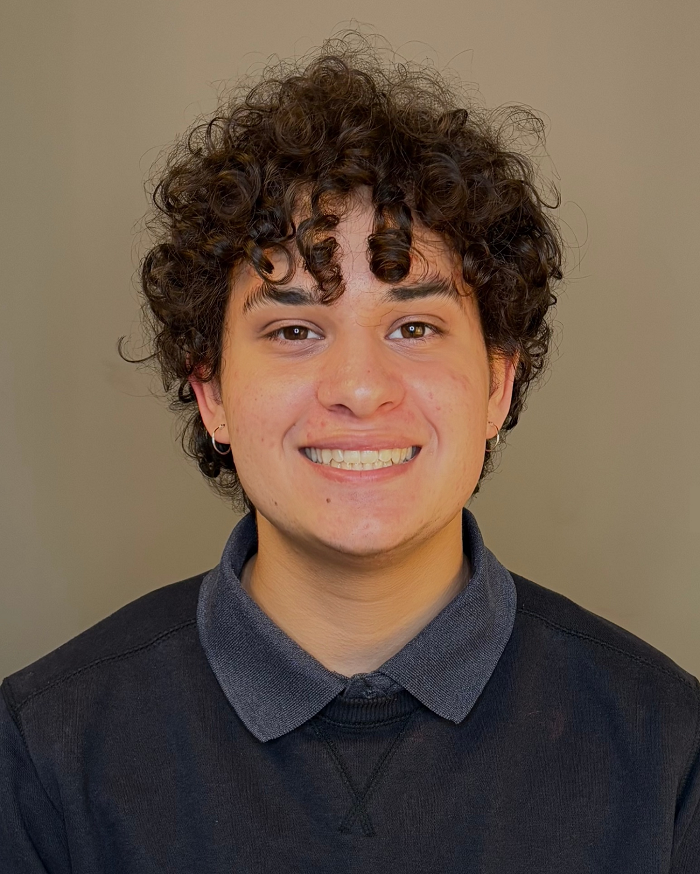 Utilizing Transient Gene Expression to Elucidate Acyltransferase Function in the Biosynthetic Pathwa Utilizing Transient Gene Expression to Elucidate Acyltransferase Function in the Biosynthetic PathwaAwardee: Shai Adams, COE’27 Mentor: Jing-Ke Weng, COS, Chemistry & Chemical Biology This project aims to uncover the biosynthetic pathway of petuniasterones, which are insecticidal compounds natively produced by petunias. As natural insecticides, petuniasterones present an exciting sustainable alternative to traditional chemical pesticides. This project will be completed by amplifying genes expected to act in the petuniasterone pathway and testing them in tobacco to see if they perform any reactions that move the pathway forward. The goal of this project is to understand how and when acyltransferase enzymes act in the pathway, and I hope to share the results at RISE as well as other external research conferences. |
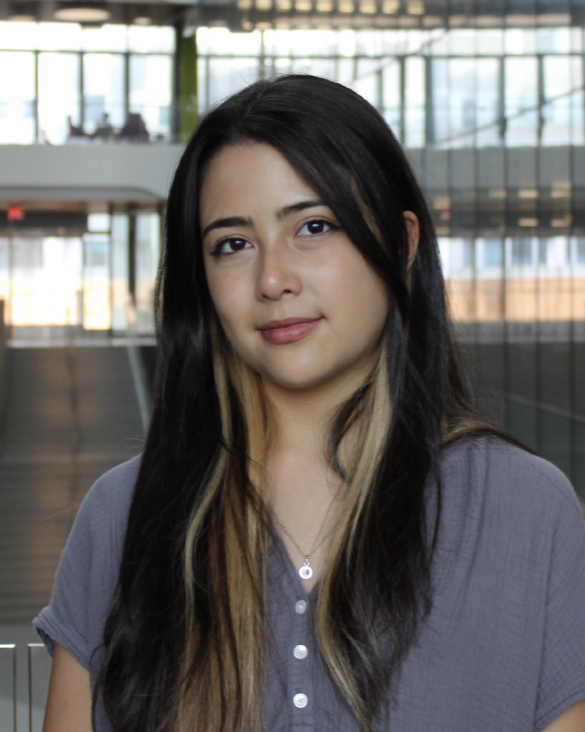 Characterization of Unique Mutagenesis Responses in Extremophile Bacteria Sampled from the Atacama Desert Characterization of Unique Mutagenesis Responses in Extremophile Bacteria Sampled from the Atacama DesertAwardee: Sarah Adams, COE’26 Mentor: Veronica Godoy-Carter, COS, Biology (1) processing collected sequence data to perform initial characterization of the unique mutagenesis responses in extremophile bacteria sampled from the Atacama desert, followed by (2) investigating identified protein/gene networks of interest for isolated molecular studies or targeted cellular-level assays. Following summer dialogue experience collecting samples in extreme conditions (high temperature, elevation, heavy metal content, and/or low oxygen), the bacteria were further isolated by members of the Godoy-Carter lab and partially sequenced to compare with existing bacterial genomes. After reviewing literature and comparing known damage response pathways to these species, similarities, differences, and activity can indicate what may allow these organisms to persist in harsh environments. Studying these species and their response to damaging conditions has broader implications in understanding the processes that are integral to life and in elucidating the ways by which life persists in conditions beyond what is optimal for most living organisms. |
 Sialic Acid Dependent Mechanisms of Triple Negative Breast Cancer (TNBC) Cell Attachment to Lunfbooug End Sialic Acid Dependent Mechanisms of Triple Negative Breast Cancer (TNBC) Cell Attachment to Lunfbooug EndAwardee: Aracely Alicea, COS’26 Mentor: Eno Ebong, COE, Chemical Engineering This project investigates how sialic acid dysregulation in the endothelial glycocalyx influences triple negative breast cancer (TNBC) metastasis to fibrotic lungs. Utilizing healthy and fibrotic lung endothelial cell models, cancer cell attachment will be quantified with altered sialic acid levels under static and flow conditions. This project could reveal the role of sialic acid in TNBC metastasis to the lungs. This is significant because understanding the mechanisms underlying TNBC metastasis to the lungs may aid in improving patient outcomes. Findings will be shared through peer-reviewed publications and conference presentations, thereby advancing understanding of cancer-lung interations. |
 Fabrication and Characterization of Milk-Mimetic Liposomes for Oral Drug Delivery Fabrication and Characterization of Milk-Mimetic Liposomes for Oral Drug DeliveryAwardee: Francisca Babatz Martinez, COE’28 Mentor: Rebecca Carrier, COE, Chemical Engineering This project investigates how to design better oral drug carriers. Current synthetic carriers achieve only 5% absorption. By understanding which surface features, specifically mucin proteins and lipid combinations, enable milk vesicles to survive harsh gastrointestinal conditions and reach the epithelium, we can engineer improved synthetic alternatives for oral peptide delivery. |
 Mutationally Enhancing Binding Affinity between SP-A and P. Aeruginosa LPS with Molecular Dynamics Mutationally Enhancing Binding Affinity between SP-A and P. Aeruginosa LPS with Molecular DynamicsAwardee: Milo Batista, COE’27 Mentor: Mona Minkara, COE, Bioengineering As we enter into an era of antibiotic resistance, Pseudomonas Aeruginosa (PA) takes the lead as one of the most dangerous bacteria to human health, according to the WHO. By leveraging the body’s immune system where Surfactant Protein A (SP-A) binds to bacterial markers like PA’s Lipopolysaccharide (LPS), a therapeutic may be found to battle PA infection. When simulating the binding between SP-A and LPS computationally, the binding affinity and amino acid interaction energy can be elucidated. By selectively mutating SP-A’s amino acids to increase its binding affinity to PA LPS, a new recombinant protein therapeutic may be determined. |
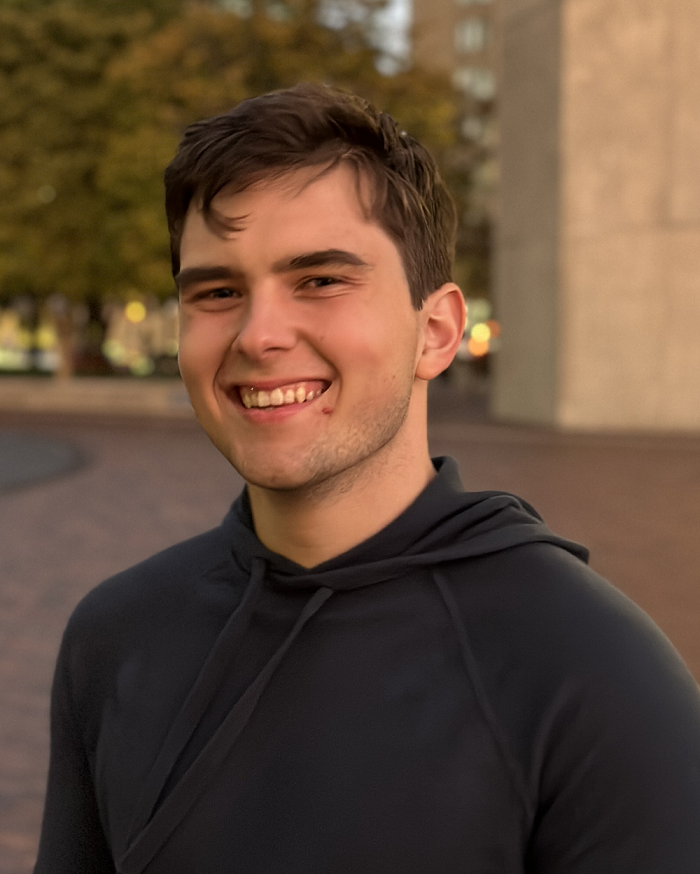 Using NDVI to Assess Temperature Hotspots in Coldwater Streams Using NDVI to Assess Temperature Hotspots in Coldwater StreamsAwardee: Ian Battles, COS’26 Mentor: Peter Dennedy-Frank, COS, Marine & Environment Sciences Thermal pollution, or the anthropogenic increase in water temperature, remains an ecological problem for aquatic ecosystems. Impermeable land surfaces are one such source of thermal pollution. Materials like asphalt absorb more heat than natural land cover (the source of the urban heat island effect) and prevent water from infiltrating the ground. This type of thermal pollution is hard to track. However, impermeable surface can be detected by satellites using normalized difference vegetation index, or NDVI. I hope to use NDVI near rivers as an estimator of stream temperature. Such a tool would be helpful for identifying temperature hotspots along rivers. |
 Building a Technoeconomic Analysis Model for Novel Electrochemical CO2 Conversion Technology Building a Technoeconomic Analysis Model for Novel Electrochemical CO2 Conversion TechnologyAwardee: Dhwani Bhatt, COE’27 Mentor: Magda Barecka, COE, Chemical Engineering This project develops a comprehensive technoeconomic analysis (TEA) model to evaluate the commercial viability of the Barecka Lab’s breakthrough technology to electrochemically convert atmospheric CO2 to ethanol fuel. The reactor achieves high energy efficiency while operating on low purity CO2 streams, demonstrating significant competitive advantages over existing electrochemical conversion technologies. Using Excel-based modeling with sensitivity analysis, I will quantify production costs, identify key economic drivers, and provide data-drive recommendations for scale-up strategy. Expected outcomes include a user-friendly, adjustable TEA model, strategic report of assumptions, findings and recommendations, and actionable items to prioritize R&D investments for scale-up. |
 Automated Determination of Femoral Angles and Cam Morphology from MRI Scans Automated Determination of Femoral Angles and Cam Morphology from MRI ScansAwardee: Tess Buckley, COE’27 Mentor: Sandra Shefelbine, COE, Mechanical & Industrial Engineering This project aims to develop reliable, automated methods for assessing femoral neck-shaft angles, anteversion, and Cam morphology from MRI scans in adolescent female athletes. After collecting MRI data, I will generate reproducible 3D femur segmentations with MATLAB and evaluate several computational techniques, such as principal inertia axes, to determine an accurate femoral neck axis. Using this axis, I will calculate relevant angles and quantify Cam morphology in a 3D setting. This work addresses gaps in female musculoskeletal research and supports future prevention and treatment strategies. Findings will be validated, presented at RISE, and prepared for broader dissemination. |
 Tensile Biaxial Stretcher for Soft Polymer Characterization Tensile Biaxial Stretcher for Soft Polymer CharacterizationAwardee: Massimo Casciaro, COE’27 Mentor: Ruobing Bai, COE, Mechanical and Industrial Engineering This project is focused on designing and building a biaxial stretcher to characterize the mechanical properties of soft polymers in a temperature-controlled environment. The device will simultaneously stretch a square polymer sample from all four sides. Using various sensors and devices, the machine will collect real-time data and process it to determine the mechanical properties of novel materials that might be underinvestigated or even uninvestigated. Investigating these materials is crucial for developing biomedical devices and soft robotics. The results will be shared at RISE and later published in a journal. |
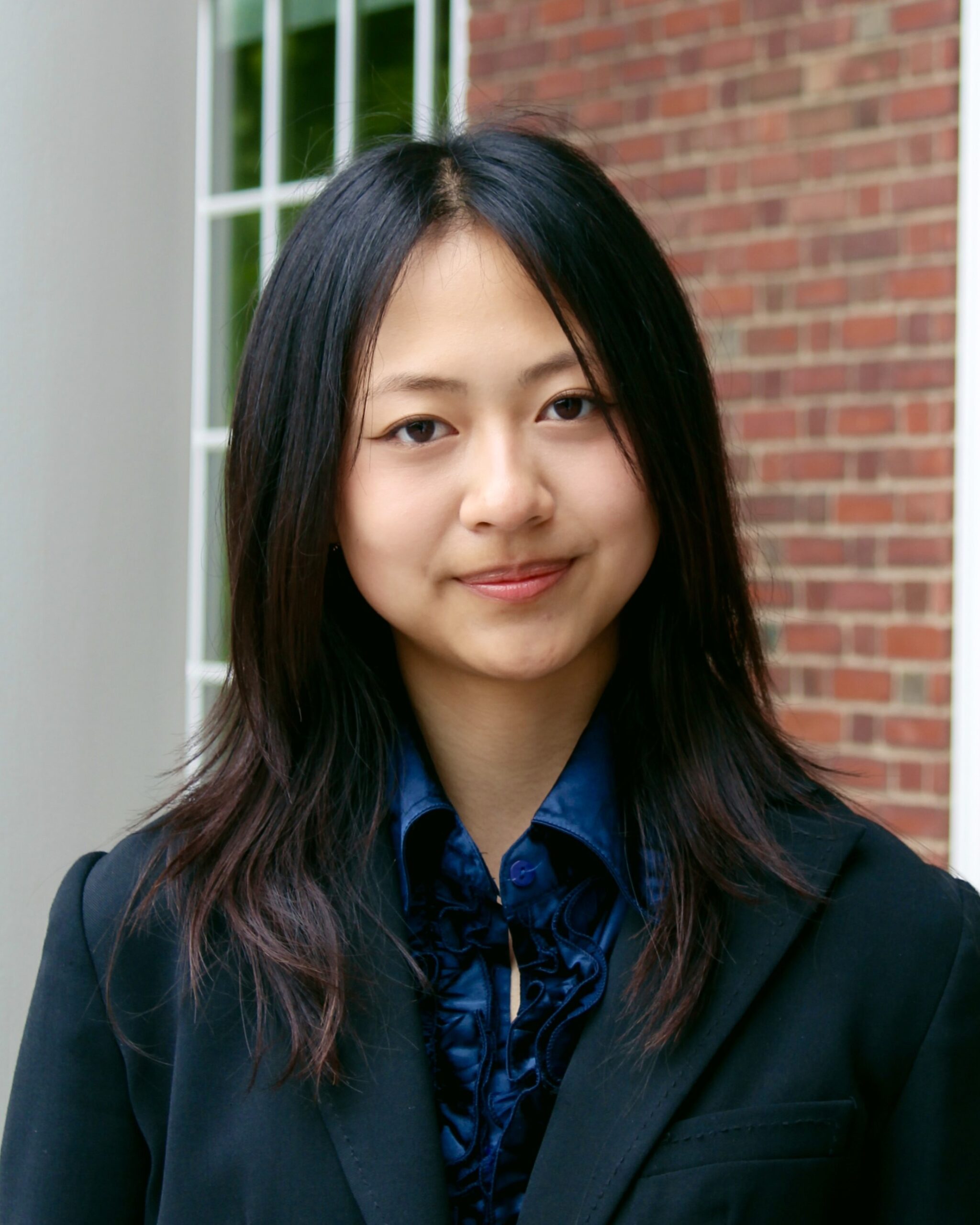 GPR19 as a Putative Therapeutic Target in Acute Myeloid Leukemia GPR19 as a Putative Therapeutic Target in Acute Myeloid LeukemiaAwardee: Clare Chi, COE’26 Mentor: Christa Haase, COE, Bioengineering Current therapies for acute myeloid leukemia are unable to eliminate rare quiescent leukemia-initiating cells, which drives chemotherapy resistance and relapse. Previous work has identified novel endothelial-AML signaling axes through spatial transcriptomics, including that involving Gpr19. This project will verify its clinical relevance and provide critical insight into microenvironmental signals that promote expansion and relapse through a murine knockout model and patient-derived xenograft inhibition model. If Gpr19 inhibition results in improved survival and reduced leukemic burden, this confirms its potential as a therapeutic target. The results of this study will be presented at PEAK and submitted for journal publication following completion. |
 Developing a Modular Cloning System for Clostridial Engineering Developing a Modular Cloning System for Clostridial EngineeringAwardee: Amy Crook, COE’27 Mentor: Benjamin Woolston, COE, Chemical Engineering Clostridia are a class of anaerobic bacterium that are valuable for human health and biomanufacturing. However, there is a lack of contemporary modular genetic engineering tools for these bacteria, limiting research capabilities. This project aims to develop a modified JUMP vector (Joint Universal Modular Plasmids) system for Clostridia that can efficiently synthesize genetic constructs and is portable across Clostridial species. The system will be used to find new inducible promoters in Eubacterium limosum, a Clostridial species that can convert waste products like CO2 into useful biochemicals. Project results will be presented at the RISE Showcase and AIChE Annual Student Conference. |
 Plasmonic Antenna Engineering for Enhanced Superconducting Nanowire Photon Detection Plasmonic Antenna Engineering for Enhanced Superconducting Nanowire Photon DetectionAwardee: Faith Degawa, COE’26 Mentor: Alberto De la Torre, COS, Physics This project investigates how nanoscale optical antennas can improve the sensitivity of superconducting detectors that measure single photons, a capability that is essential for quantum technologies and emerging forms of high-resolution spectroscopy. Through electromagnetic simulations, I analyze how antenna geometry shapes light absorption in a nanowire and identify designs that better concentrate optical energy at near-infrared wavelengths. These insights will support the development of detectors that enable more precise spectral measurements and more efficient quantum systems. I plan to share the outcomes of this work through research presentations and written reports that help advance understanding in quantum photonics. |
 Reconstructing Particles in a Future Muon Collider Reconstructing Particles in a Future Muon ColliderAwardee: Sarah Douglass, COE’27 Mentor: Johan Bonilla Castro, COS, Physics The LHC is the largest, most powerful particle collider ever built. While it will be used to study the energy frontier for years to come, it will not bring about the significant increase in collision energy required to gain a new understanding of the laws of Nature. The idea of a muon collider in the multi-TeV regime could provide fresh and exciting insights. By adapting existing LHC software to comparable muon collider hardware, it may be possible to break through challenges surrounding the noisy backgrounds that muon decays will create and establish an organized, open-source framework for future developments. |
 Upcycling Walnut Shell Biomass into Cyclohexanone: A Renewable Pathway to Sustainable Nylon 6 Upcycling Walnut Shell Biomass into Cyclohexanone: A Renewable Pathway to Sustainable Nylon 6Awardee: Katryna Dube, COE’27 Mentor: Courtney Pfluger, COE, Chemical Engineering This project explores a sustainable way to make nylon, a widely used material, by converting discarded walnut shells into cyclohexanone, one of nylon’s key ingredients. Current nylon production relies on petroleum and produces significant greenhouse gas emissions. Developing a new bio-based method to make cyclohexanone offers a way to reduce environmental impact while putting agricultural waste to productive use. I will test and optimize a three-step process that produces cyclohexanone from walnut shells. Success will be evaluated by measuring product yield and purity. I plan to share my results at RISE, prepare a publication, and pursue a patent. |
 FlexRow Rowing Prosthetic FlexRow Rowing ProstheticAwardee: Marlena Eichelroth, COE’26 Mentor: Daniel Grindle, COE, Bioengineering FlexRow addresses a critical gap in adaptive rowing: no prosthetic ankle accommodates the full range of motion required for rowing. During Capstone I and II, I helped design a prosthetic ankle/foot system featuring a joint that replicates natural ankle movement. Testing with a local para-rower revealed major improvements in comfort and stroke power, but also identified shortcomings including the need for a quick-release safety mechanism. This fellowship allows me to refine the design beyond capstone’s time constraints, addressing biomechanical alignment, optimizing materials for manufacturing, and improving the walking/rowing modes to create a safer, more effective prosthetic for adaptive rowers. |
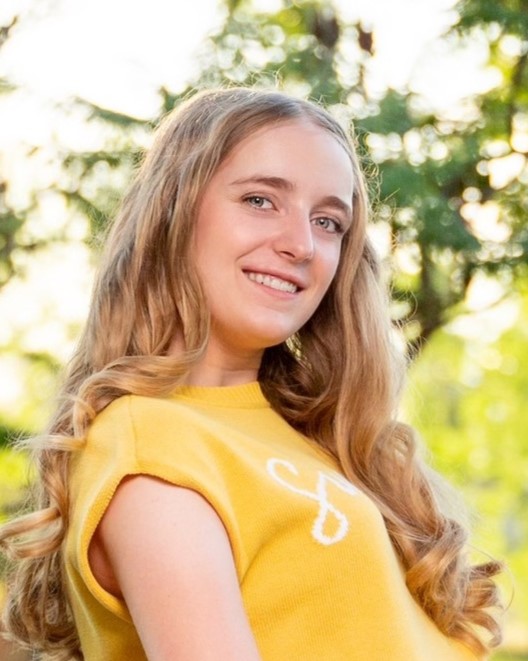 Design, Fabrication, and Testing of Superconducting Parametric Isolators Design, Fabrication, and Testing of Superconducting Parametric IsolatorsAwardee: Megan Farrington, COE’27 Mentor: Marco Colangelo, COE, Electrical and Computer Engineering Quantum computers are exciting emerging technologies, but scalable implementation requires novel signal processing techniques. One necessary component is an isolator, which would shield sensitive qubits from noise while allowing readout of computational results. In this project, I will design a superconducting parametric isolator compatible with cryogenic environments, allowing signal to pass only in one direction. I will design this isolator based on the physics of loaded superconducting waveguides, simulate it to ensure it has wide operating bandwidth and minimal gain ripple, fabricate it using nanofabrication techniques, test it using an FPGA platform, and share my results through publication and presentations. |
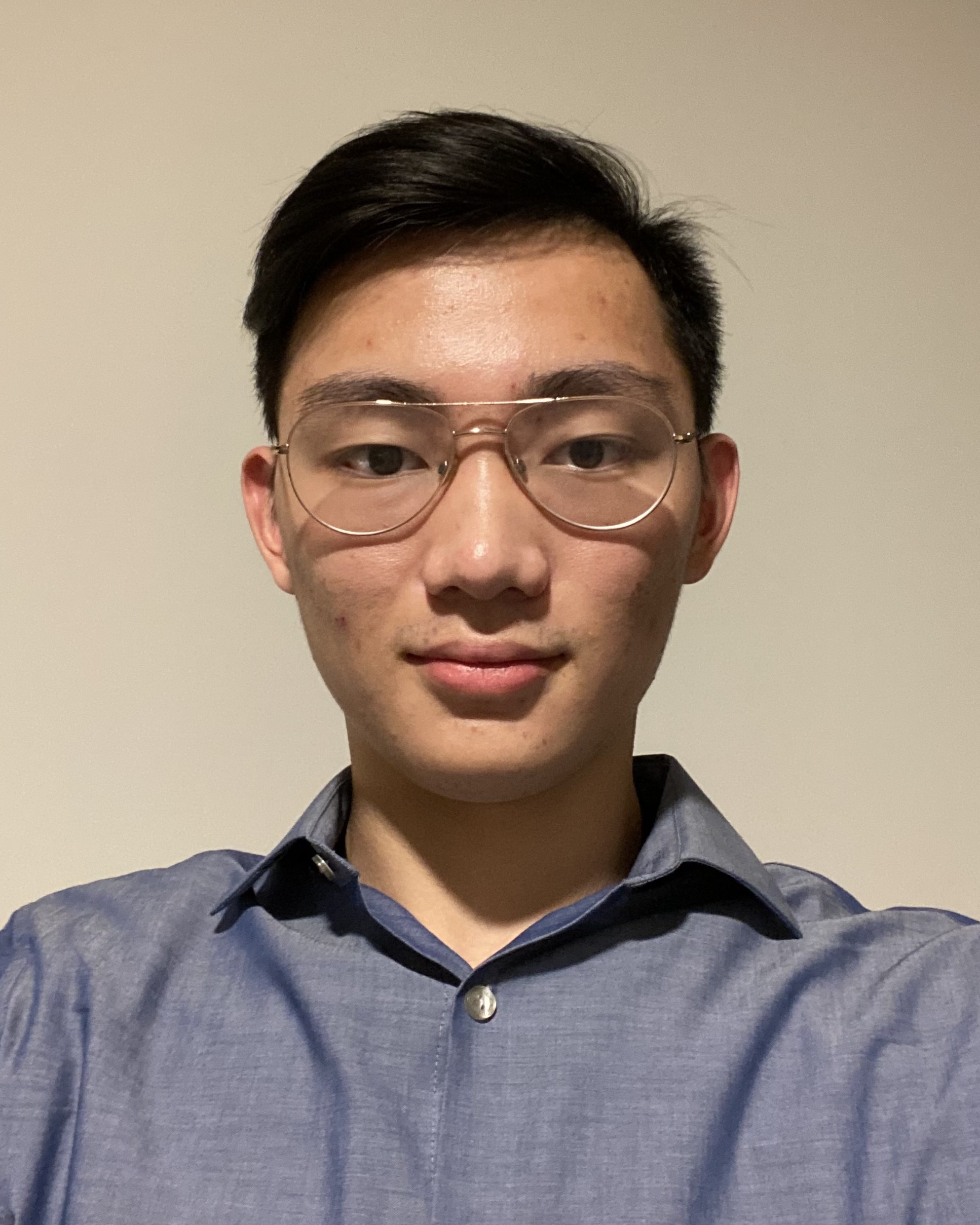 Single-Atom Catalyst Coordination Tuning for Carbon Reduction Towards Methane Production Single-Atom Catalyst Coordination Tuning for Carbon Reduction Towards Methane ProductionAwardee: Matthew Fei, COE’26 Mentor: Sanjeev Mukerjee, COS, Chemistry & Chemical Biology Given our current trajectory, a lot of research and effort must still be conducted to innovate new methods of reducing our carbon footprint. Single-atom catalysts have gained much attention for both their catalytic properties and feasibility, and have been implemented in processes that convert carbon dioxide into useful products such as fuels and manufacturing chemicals. That said, the tuning control of the dopants is not fully understood, so this project aims to elucidate methods of varying dopant species when fabricating single-atom catalysts and evaluate if they improve the performance of carbon reduction over traditional single-atom catalysts. |
 Computationally Driven Diffractive UV–Visible Spectroscopy System Computationally Driven Diffractive UV–Visible Spectroscopy SystemAwardee: JiaJia Fu, COE’26 Mentor: Taskin Padir, COE, Electrical and Computer Engineering This project develops a computationally driven, modular UV–Visible spectrometry system for astrobiological life detection on a Mars-analog rover. Using broadband white and UV LEDs, a diffraction grating, and camera-based detection, the system generates full absorbance spectra from soil samples rather than single-wavelength measurements. Custom software converts pixel-resolved spectra into wavelength data and applies machine learning to identify biomolecules such as proteins, DNA, chlorophyll, and organic carbon. The integrated mechanical, biochemical, and computational platform enables rapid, in situ analysis of potential biosignatures during planetary exploration missions. |
 Enzymatic Degradation of 3D-Printed Polycaprolactone to Inform the Use of Non-persistent Plastics Enzymatic Degradation of 3D-Printed Polycaprolactone to Inform the Use of Non-persistent PlasticsAwardee: Kennedy Gallagher, COE’26 Mentor: Bryan James, COE, Chemical Engineering Plastic pollution persists partly because many “biodegradable” materials degrade slowly or unpredictably in real environments. This project investigates how biodegradable plastics break down under controlled, enzyme-accelerated conditions to support more sustainable material and product design. Using 3D-printed polycaprolactone (PCL), the research examines how processing and shape influence the enzymatic degradation rate of PCL. By identifying predictable structure-degradation relationships, this work aims to inform responsible use of biodegradable plastics. Results will be shared through Northeastern’s RISE Expo. |
 Using Smart Glasses for Medical Information Transmission Using Smart Glasses for Medical Information TransmissionAwardee: Matthew Garcia, COE’27 Mentor: Mallesham Dasari, COE, Electrical and Computer Engineering This project seeks to automate the process of transmitting information about a patient through the use of smart glasses integrated with an AI application. A doctor will use the smart glasses will collect audio and visual data about the patient, which will then be sent to a server for AI processing. Within this, an LLM fine-tuned with medical records will generate a report about the patient, which will be transmitted to another doctor or nurse. A user study will be conducted to collect feedback and iterate upon this system. This work will be shared in RISE and external conferences. |
 Engineering Hybrid Exosomes for Osteoarthritis Gene Therapy Engineering Hybrid Exosomes for Osteoarthritis Gene TherapyAwardee: Ella Hannes, COS’28 Mentor: Ambika Bajpayee, COE, Bioengineering Osteoarthritis affects 500 million people worldwide with no cure. Current treatments can’t penetrate the cartilage’s negatively charged barrier to reach damaged tissue. My project will engineer exosomes, which are tiny, naturally occurring carriers that travel between cells, to deliver gene therapy past this barrier. I’ll test whether these carriers effectively deliver genes to cells, remain stable during storage, and work consistently across different sources. These experiments will determine if hybrid exosomes are viable for clinical translation. Results will be presented at Northeastern’s RISE Expo 2026 and contribute to a future publication advancing osteoarthritis treatment development. |
 Rebuilding Signals of Healing: Conductive Hydrogels for Tissue Repair Rebuilding Signals of Healing: Conductive Hydrogels for Tissue RepairAwardee: Juliet Herrick, COE’27 Mentor: Rebecca Willits, COE, Chemical Engineering This project explores new materials that support tissue repair after stroke, heart attack, or nerve injury. When these tissues are damaged, remaining cells often lack the structure and signals needed to rebuild. Soft, tissue-derived hydrogels will be created to provide an environment for cells to grow. By incorporating graphene oxide, a material capable of carrying electrical signals, the project will test whether these gels better replicate the natural conditions of the brain, heart, and nerves. The aim is to generate early evidence for more realistic materials that could support future regenerative therapies, which will be shared through a RISE presentation. |
 Entropy and Complexity Features for Machine Learning Pain Classification Entropy and Complexity Features for Machine Learning Pain ClassificationAwardee: Vignan Kamarthi, Khoury’27 Mentor: Srinivasan Radhakrishnan, COE, Mechanical & Industrial Engineering Current pain assessment relies on patients rating their pain from 1 to 10, but this approach fails people who cannot communicate effectively, including but not limited to unconscious patients, young children, and individuals with cognitive impairments. This research develops machine learning systems that classify pain intensity using physiological signals like heart rate and skin conductance, providing objective measurements instead of subjective reports. Building on published work achieving perfect accuracy in detecting pain, this project advances to classifying pain severity levels using entropy- and complexity-based features, with potential applications for real-time pain monitoring in clinical settings. |
 Neuron-Specific Modulation of Neural Activity in C. elegans Neuron-Specific Modulation of Neural Activity in C. elegansAwardee: Ananya Katyal, COS’28 Mentor: Samuel Chung, COE, Bioengineering In the model organism C. elegans, neuronal activity is known to influence axon regeneration in response to injury. Further studying this relationship under distinct molecular regeneration pathways requires the development of a reliable tool to manipulate cell activity in individual neurons. This project aims to assess a system using histamine and the transgene HisCl to confirm effective and titratable control of neuron activity by measuring corresponding behavioral changes. Once established, this system can be applied to activity-dependent neuroregeneration studies. This work will be presented at the 2026 RISE Conference and WREN Summit. |
 Reversibility and Relaxation of Soft Particles in a Dynamic 2D System Reversibility and Relaxation of Soft Particles in a Dynamic 2D SystemAwardee:Kenny Liang, COS’26 Mentor: Sara Hashmi, COE, Chemical Engineering This project will observe the collective motion of soft particles packed in a 2D tray system, which pushes them through an arrangement of pegs as they rearrange. After the tray stops moving, particles can continue to rearrange and relax. We want to see how the relaxation time and reversibility depends on different parameters of the system using a video correlation function in MATLAB. We anticipated observing the relaxation or reversibility times change in the data analysis plots, and if the relaxation times and the steady state times are related. I plan to share my results at the RISE conference. |
 Silencing TWIST1: A Targeted shRNA Approach to Disrupt Cancer Metastasis Silencing TWIST1: A Targeted shRNA Approach to Disrupt Cancer MetastasisAwardee: Sagunya Malhotra, COE’27 Mentor: Mark Grabiner, COS, Biology Most cancers become life-threatening when cells gain the ability to spread throughout the body. TWIST1 is a key gene that drives this transition. This project will design and clone a plasmid-based shRNA to silence TWIST1 in 4T1 breast cancer cells, verify the construct by sequencing, deliver it via lipofection, and measure reductions in TWIST1 RNA, protein, and cell behavior. Demonstrating successful knockdown would provide early evidence for targeted gene-silencing approaches that directly limit cancer spread. Results will be shared through RISE, potential undergraduate publication, and presentations, contributing to future strategies aimed at developing more precise and less toxic cancer treatments. |
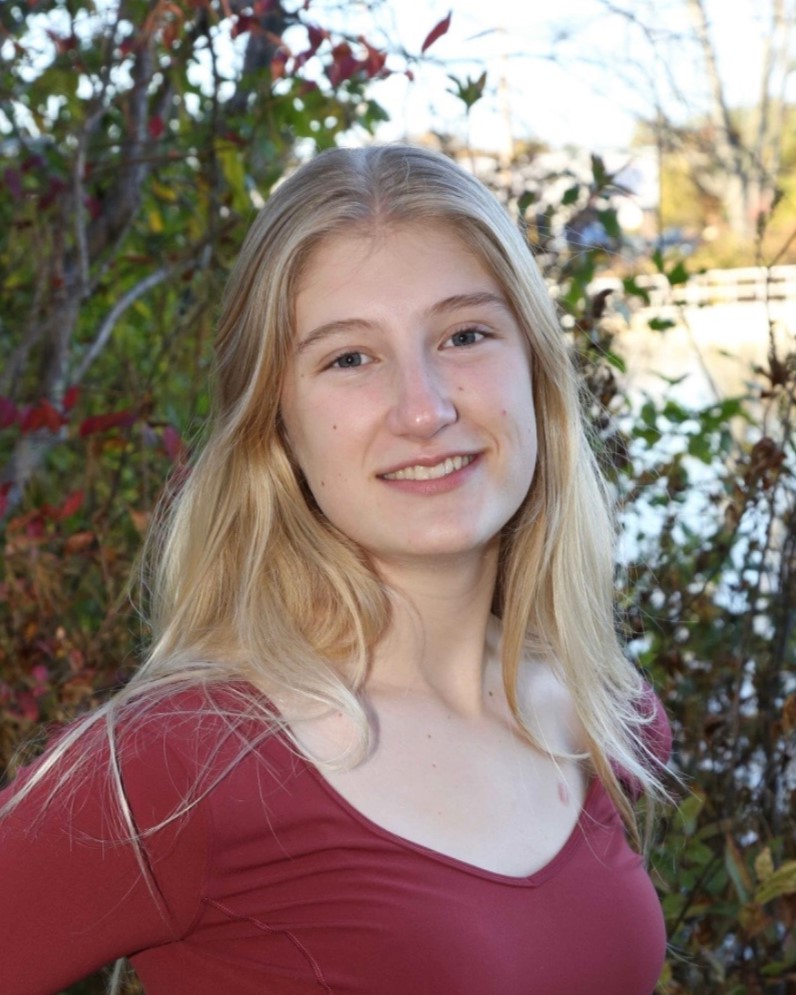 Network-Based Synthetic Microbial Community Design for 1,4-Dioxane Biodegradation Network-Based Synthetic Microbial Community Design for 1,4-Dioxane BiodegradationAwardee: Grace McKrell, COS’27 Mentor: Yu Miao, COE, Civil & Environmental Engineering The project’s goal will be to create and validate stable and highly 1,4-dioxane degrading synthetic bacterial communities (SynComs). 1,4-Dioxane is a prevalent groundwater contaminant and a possible human carcinogen. Bioaugmentation is a sustainable remediation strategy, but individual strains often don’t survive in field applications and consortia have low degradation rates. The design of the communities will be informed by network analysis, based upon microbe interactions. SynCom success will be determined by a higher 1,4-dioxane degradation rate than their parent environmentally enriched consortia. These outcomes will be shared through conferences such as the New England Water Environment Association and a manuscript. |
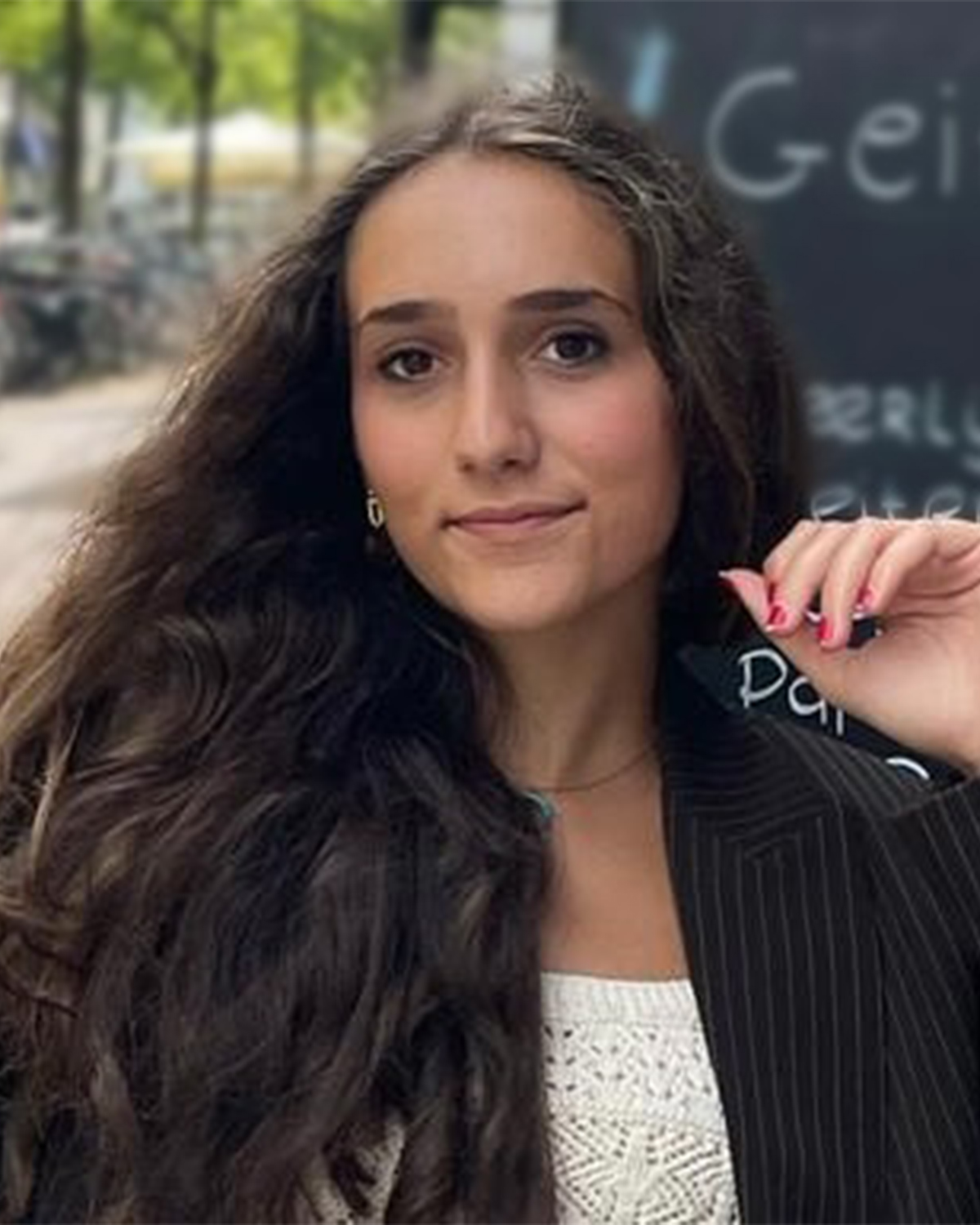 Developing a Cosmic Muon Coincidence Detection System for the GRAMS Project Developing a Cosmic Muon Coincidence Detection System for the GRAMS ProjectAwardee: Sofia Odeh, COE’26 Mentor: Tsuogo Aramaki, COS, Physics The GRAMS project aims to detect dark matter signatures using a Liquid Argon Time Projection Chamber, but cosmic ray muons constantly bombard the detector and can mimic real signals. My project develops a scintillator-based veto system to identify and reject these muon events. When a muon passes through two stacked scintillator arrays, both layers produce coincident signals, something random noise cannot replicate. I will design a mechanical mounting structure, improve signal quality through better grounding, and develop analysis code for coincidence detection. Results will be presented at Northeastern’s RISE symposium and contribute to the GRAMS collaboration’s NASA balloon mission. |
 PICOS-OBC PICOS-OBCAwardee: Rachel Rakushkin, COE’27 Mentor: Josep Jornet, COE, Electrical and Computer Engineering This project aims to develop an open-source, Linux-capable flight control system (known in the small satellite community as an On-Board Computer or OBC for short). Today, these systems can cost nearly half a million dollars, with even the “low-cost” options exceeding ten thousand dollars, placing them out of reach for most universities and small organizations. By designing an OBC built on accessible hardware and releasing all design files publicly, this project lowers the cost to under one thousand dollars and democratizes the field by contributing to a global library of open-source spacecraft designs. |
 Localized Delivery of Mucosal Healing Agents: Trefoil Factor Expression in Modified E. Coli Localized Delivery of Mucosal Healing Agents: Trefoil Factor Expression in Modified E. ColiAwardee: Katie Regan, COE’26 Mentor: Caroline Blassick, COE, Bioengineering Inflammatory bowel disease (IBD) is a group of chronic conditions characterized by inflammation in the gastrointestinal tract. The goal of traditional treatments is to induce long-term remission, although many of these treatments may be ineffective or include harsh side effects. A promising approach to treatment includes administration of a naturally-produced protein called trefoil factor 3 (TFF3), which may promote healing of the inflamed intestinal epithelium in IBD. A modified probiotic will be created to inducibly produce TFF3 in the large intestine using E. coli via bacterial gene editing techniques and results will be shared at the RISE in April. |
 Modulating Inflammatory Response in Wound Healing Modulating Inflammatory Response in Wound HealingAwardee: Maeve Ryan, COS’26 Mentor: Abraham Joy, COE, Bioengineering Wound treatments that expedite healing are desired in the clinic to address common and chronic injuries. The Joy Lab is developing bilayer wound dressings to harness the benefits of pro-inflammatory and subsequent anti-inflammatory treatment. This project aims to characterize the immune system’s response to each layer, including the transition phase during which anti- and pro-inflammatory treatments are applied simultaneously. New polymers will be synthesized to model the degradation stages of the wound dressing and analyze immune response throughout treatment. It is hoped that this deepend understanding of the immunomodulatory effects can inform the design of improved wound treatment options. |
 Revealing Air Pollution Disparities in the Greater Boston Area Using Mobile Monitoring Revealing Air Pollution Disparities in the Greater Boston Area Using Mobile MonitoringAwardee: Austin Sanchez, COE’28 Mentor: Shang Liu, COE, Civil & Environmental Engineering In the United States, air pollution systemically burdens communities of color and low-income neighborhoods. This project analyzes three months of on-road air quality measurements recorded by mobile monitoring throughout Chelsea and Brookline, Massachusetts, which are two demographically distinct communities. Through spatial analysis, we will identify emissions sources and complex social patterns driving environmental inequities. Our hyperlocal approach provides insight into fine-scale pollutant variability commonly missed by traditional, stationary monitors. Results from this project will be shared with community leaders and policymakers to inform targeted legislation improving air quality, and are anticipated to be published in a peer-reviewed article. |
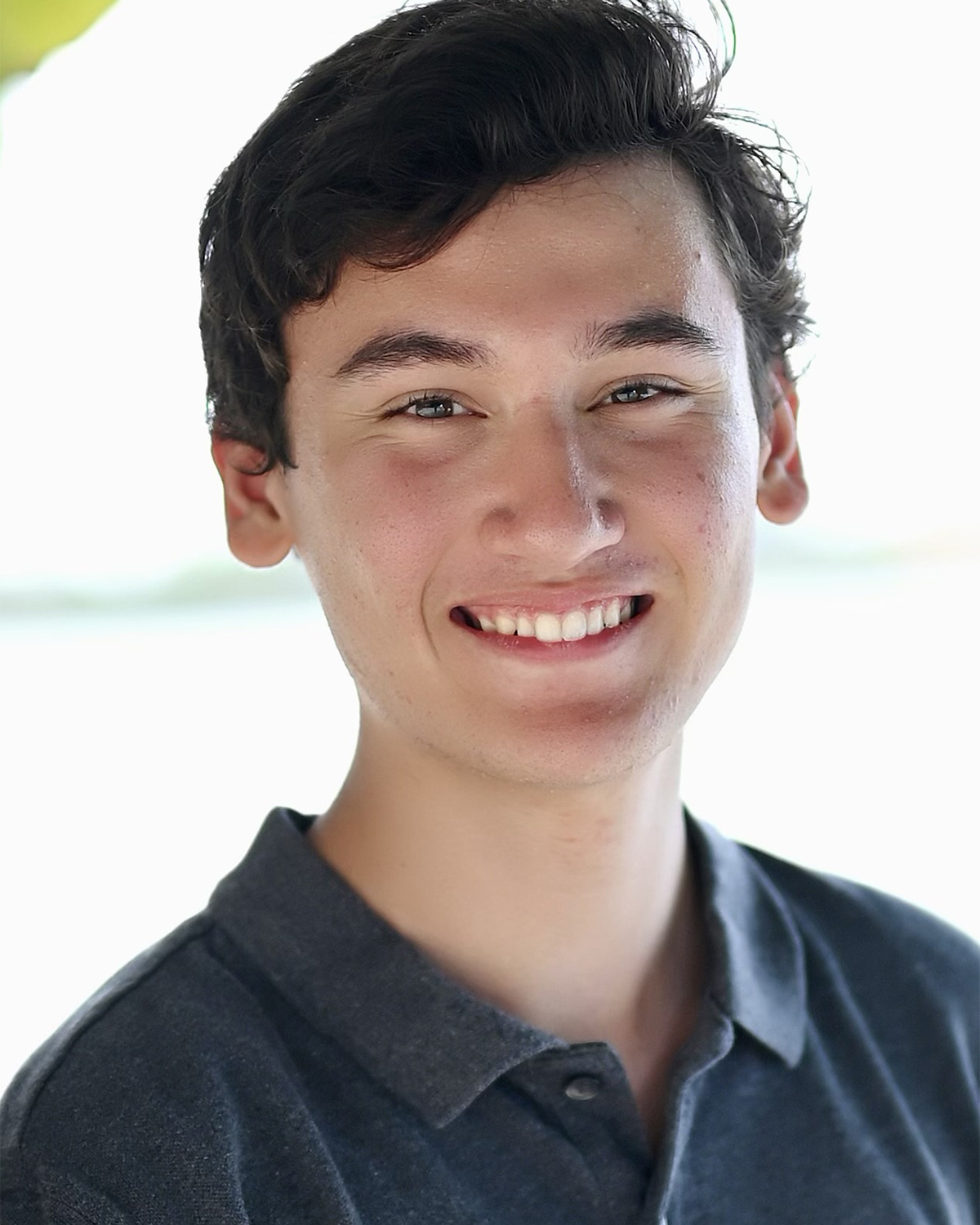 Concurrent Filtering with Certifiably Correct Smoothing Concurrent Filtering with Certifiably Correct SmoothingAwardee: Nikolas Sanderson, COE’27 Mentor: David Rosen, COE, Electrical and Computer Engineering Autonomous robots must continuously determine their location and surroundings to navigate safely. Current methods face a tradeoff: fast algorithms can produce incorrect estimates, while mathematically guaranteed methods are too slow for real-time use. My project bridges this gap by running two processes simultaneously—a fast estimator providing real-time position updates for robot control, and a slower process that guarantees the solution is globally correct. |
 Liposome Elasticity Role in Peptide-conjugated Liposome Binding and Immune Effector Cell Activation Liposome Elasticity Role in Peptide-conjugated Liposome Binding and Immune Effector Cell ActivationAwardee: Madelyn Simpliciano, Bouvé’26 Mentor: Debra Auguste, COS, Chemical Engineering Leveraging the immune system to fight cancer has redefined modern oncology treatment, and advanced nano-based drug delivery systems significantly enhance the effectiveness of peptide-based immunotherapies. This project will explore the influence of lipid nanoparticle elasticity on the performance of peptide-conjugated liposomes. While peptide density is known to have an impact on tumor growth and T-cell infiltration, the role of membrane elasticity remains unexplored. We will investigate whether increasing flexibility through the addition of unsaturated lipids strengthens receptor blockade by optimizing peptide orientation on the nanoparticle surface. We expect that improved elasticity will amplify receptor engagement and ultimately boost therapeutic efficacy. |
 Tracking the Motion and Role of Bismuth in MnO2 Batteries with Ultra-large Raman Scanning and SEM Tracking the Motion and Role of Bismuth in MnO2 Batteries with Ultra-large Raman Scanning and SEMAwardee: Miko Stewart, COE’26 Mentor: Joshua Gallaway, COE, Chemical Engineering Grid-scale energy storage is needed to make renewables feasible. Manganese dioxide batteries are cost-effective, nonflammable, and energy dense, but not rechargeable. Adding bismuth fixes this, although it is not known exactly why. This research aims to explain that mechanism and the detailed composition of the battery. Batteries will be made from scratch, then the same area on each will be scanned over 8 charges and discharges, using Raman spectroscopy. Understanding the underlying chemistry is important for optimization and commercialization. Findings will be shared at RISE, within the lab group, and likely as part of a scientific paper. |
 Reducing Airway Stiffness Reverses Airway Hypercontractility in a Tissue Engineered Model Reducing Airway Stiffness Reverses Airway Hypercontractility in a Tissue Engineered ModelAwardee: Tyler Vagnucci, COE’27 Mentor: Harikrishnan Parameswaran, COE, Bioengineering Asthma can make airways over-tighten, and standard medicines mainly target inflammation. However, in many severe patients, scar tissue builds up, stiffening the airway and making symptoms harder to control. I will build a small 3D “airway ring” from human airway smooth-muscle cells and collagen that mimics healthy (soft) and scarred (stiff) airways. By triggering contraction and measuring ring size changes, I’ll test whether a macrophage + Mfge8 treatment can break down scar-like collagen, soften the tissue, and restore normal responsiveness. I will share results at Northeastern RISE, BMES 2026 in Orlando, and in a manuscript. |
 Engineering a Sulfide Sensor in B. Subtilis Engineering a Sulfide Sensor in B. SubtilisAwardee: Ryan Wai, COE’27 Mentor: Elizabeth Libby, COE, Bioengineering Hydrogen Sulfide (H2S) is a gut metabolite with an under-researched but potentially dose-dependent role in diseases such as Inflammatory Bowel Disease. Building on preliminary work with a B. subtilis-based sulfide biosensor, this research focuses on demonstrating direct sulfide sensing rather than relying on upstream sulfur-reduction pathways. Using live-cell assays, I aim to validate biosensor performance, characterizing how this biosensor responds to sulfide exposure and evaluate its potential as a tool to study human health. I aim to share my results through presentation and academic publication to both public and scientific audiences. |
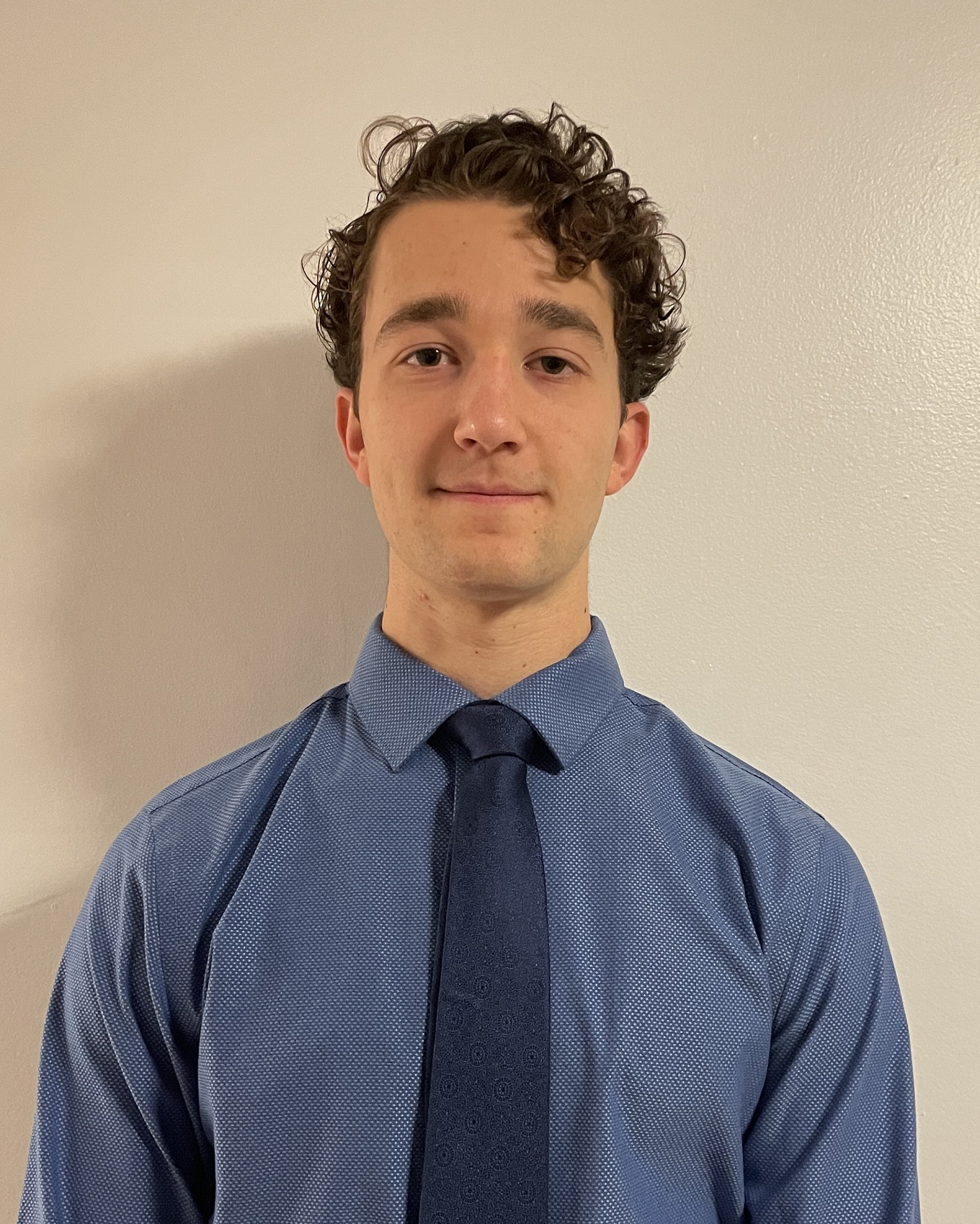 Impact of Evolving Glycan Shield on Influenza Hemagglutinin Dynamics Impact of Evolving Glycan Shield on Influenza Hemagglutinin DynamicsAwardee: Alexander Zambrowski, COE’26 Mentor: Srirupa Chakraborty, COE, Chemical Engineering Influenza viruses display surface glycoproteins, such as hemagglutinin (HA), which function as critical immunogenic targets for antibodies. Rapid evolution of HA and its glycan shield can affect the immune response against the virus with a changing glycosylation patterns modulating HA dynamics and antibody epitope accessibility. Assessing this behavior through modeling two natively glycosylated HA strains with atomistic molecular dynamics simulations allowed me to probe the impact on protein dynamics at the structural level. Conformational landscapes were visualized with principal component analysis and collective motions were assessed through dynamic-cross-correlation studies, and antibody eptiopes were assessed through structural modeling. |
 Deep-Learning Based Automation of Vessel Segmentation Analysis in Microfluidic Devices Deep-Learning Based Automation of Vessel Segmentation Analysis in Microfluidic DevicesAwardee: Helena Zheng, COE’26 Mentor: Guohao Dai, COE, Bioengineering The blood-brain barrier (BBB) is a highly selective, uniquely characterized vascular network that protects the central nervous system; where its dysfunction is responsible for severe neurological conditions, such as dementia. Microfluidic devices are a robust, high throughput platform to model the dynamics and function of the BBB. To mitigate challenges in image processing and vessel quantification, a U-Net architecture based neural network will be used to replace manual vessel segmentation, greatly reducing analysis time and improving accuracy of vessel analysis. The model is to be disseminated and cited in publications using the model to enable high-throughput BBB research. |